10 Ways Claude Code’s Persistent Memory Supercharges Your Development Workflow
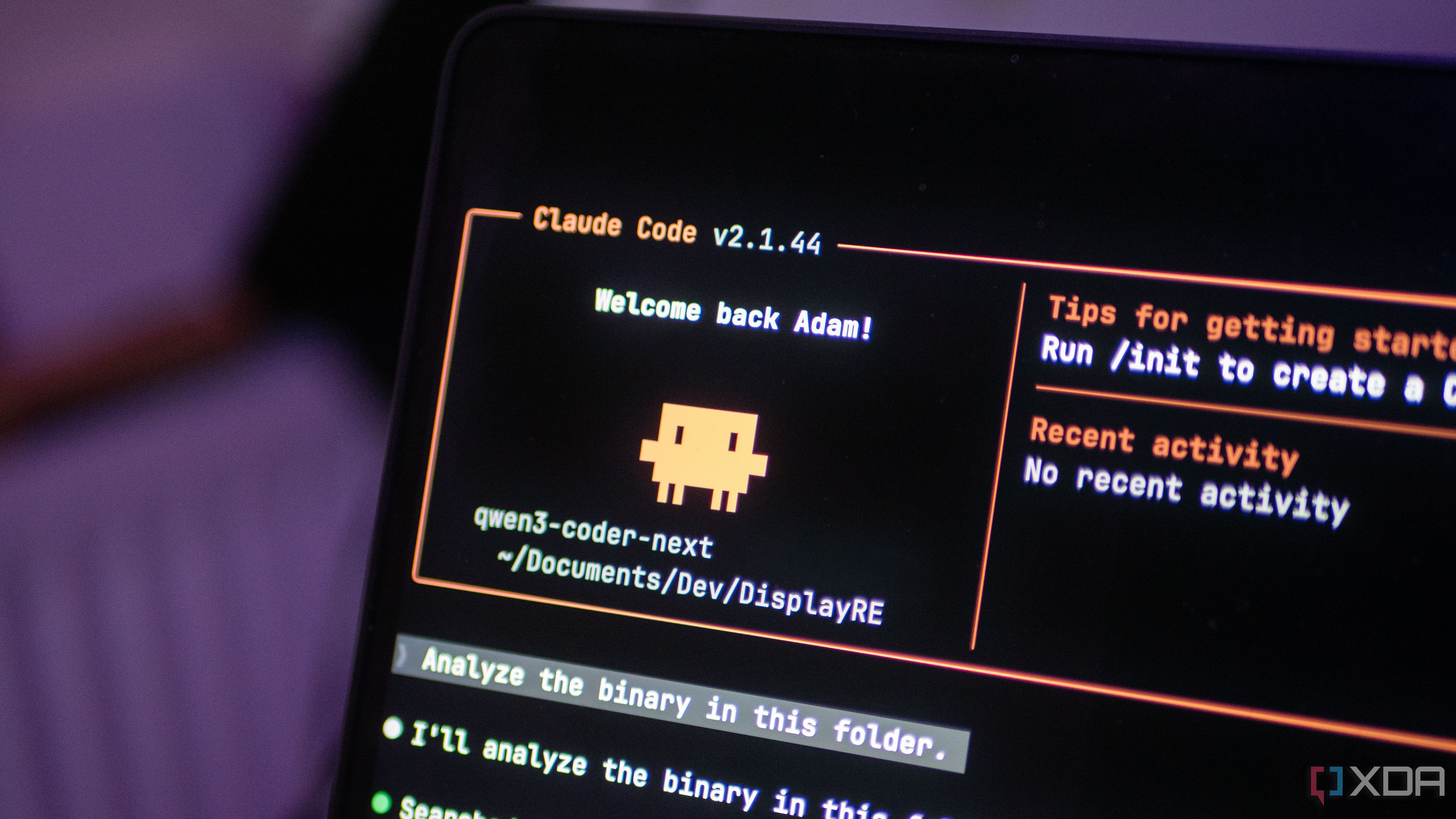
If you’ve ever spent five minutes explaining a project’s quirks to an AI assistant only to have it forget everything an hour later, you know the pain. Claude Code’s new memory feature changes that. It now remembers why you made those choices—your config overrides, your logging preferences, your “dumb little problems.” That continuity speeds up every session. Here are ten specific ways this upgrade transforms how you work.
1. No More Re-explaining Your Project Setup
Every developer has that one project with a tangled web of environment variables, custom scripts, and nonstandard build steps. Before the memory update, you’d have to feed Claude Code the whole setup each time you opened a new session. Now it retains that context. The assistant knows that DEBUG is set in .env.local, that you alias npm test to a verbose runner, and that logs live in /tmp/app.log. That familiarity means you jump straight into debugging, not into context setting.
2. Faster Root‑Cause Analysis Across Sessions
You stop a session halfway through investigating a bug. Later, instead of retracing your steps, Claude Code picks up exactly where you left off. It remembers the stack trace you highlighted, the config files you examined, and the hypotheses you were testing. This continuity shaves minutes off each analysis cycle and reduces the chance of overlooking a clue.
3. Consistent Code Review Decisions
When you spot a pattern—say, a missing catch block—you often decide to tolerate it one day and flag it the next. Claude Code’s memory records your feedback style. Over time, it learns your preferences: which linting rules you enforce, which refactors you support, which conventions matter in your codebase. Reviews become more consistent because the assistant applies the same criteria you used last week.
4. Smarter Log Interpretation
Production logs are messy. You’ve developed heuristics: ignoring certain INFO lines, prioritizing WARN messages with a known module owner, or correlating timestamps with cron jobs. Claude Code now remembers these rules. When you ask “show me the error that caused the timeout,” it already knows which grep patterns you consider noise and which ERROR lines deserve attention. Your log‑reading workflow becomes almost intuitive.
5. Effortless Configuration Archaeology
Old config files are like archaeological layers. You tweak database.yml, adjust webpack.config.js, or comment out a proxy setting—then six months later you wonder why. Claude Code’s memory maintains a timeline of those changes and the reasoning behind them. You can ask, “Why did I set worker_pool_size to 4?” and get a contextual answer, complete with the note you typed then.
6. Seamless Interruption Recovery
Interruptions happen—a Slack ping, a meeting, an urgent production issue. With memory, you can drop a session mid‑command and resume hours later. Claude Code recalls the file you were editing, the command you were about to run, and the question you hadn’t answered. Your flow state might be broken, but the tool’s context isn’t. That reduces the cognitive overhead of restarting.
7. Personalized Command Shortcuts
You develop pet commands: ./scripts/smoke-test, docker-compose -f alt.yml up, curl localhost:3000/health. Instead of retyping or aliasing them manually, you can rely on Claude Code’s memory to recall your most frequent sequences. The assistant learns that before a deploy you always run the smoke test and check health endpoints. It can even suggest the next step based on your past behavior.
8. Historical Context for Code Changes
Why did you choose an if-else over a switch? Why is that setTimeout left in? Claude Code’s memory doesn’t just remember code; it remembers the rationale you shared when you made those choices. When revisiting a function, you can ask, “What was my concern here?” and the assistant will surface the comment or explanation from a prior session. This is invaluable for maintenance and onboarding new team members.
9. Reduced Cognitive Load for Routine Tasks
Small, repetitive chores—resetting a test database, restarting a service, refreshing certificates—eat up mental energy. Claude Code remembers the exact incantations you used last time. It can automate sequences without you having to think through each step. Over a week, that saved effort accumulates into real productivity gains, letting you focus on harder problems.
10. More Natural Collaboration with the AI
Because the assistant remembers your decisions, it can challenge or support them. “You chose to use async/await here—are you still considering Promise.all?” It becomes a partner that knows your work style, not a blank slate. This conversational memory makes interaction feel less like talking to a script and more like pairing with a junior developer who’s seen your history. The result: faster, more meaningful assistance.
Claude Code’s memory feature is a quiet revolution in developer tooling. It removes the friction of starting from scratch every session and preserves the context that makes you productive. Whether you’re debugging logs, revisiting config, or reviewing code, having an assistant that “remembers why” cuts wasted effort and keeps your flow intact. Try it on your next messy project—you’ll wonder how you worked without it.