10 Key Insights from Morgan Stanley’s Bitcoin Trust Launch: Why the Bank Says We’re Still Early
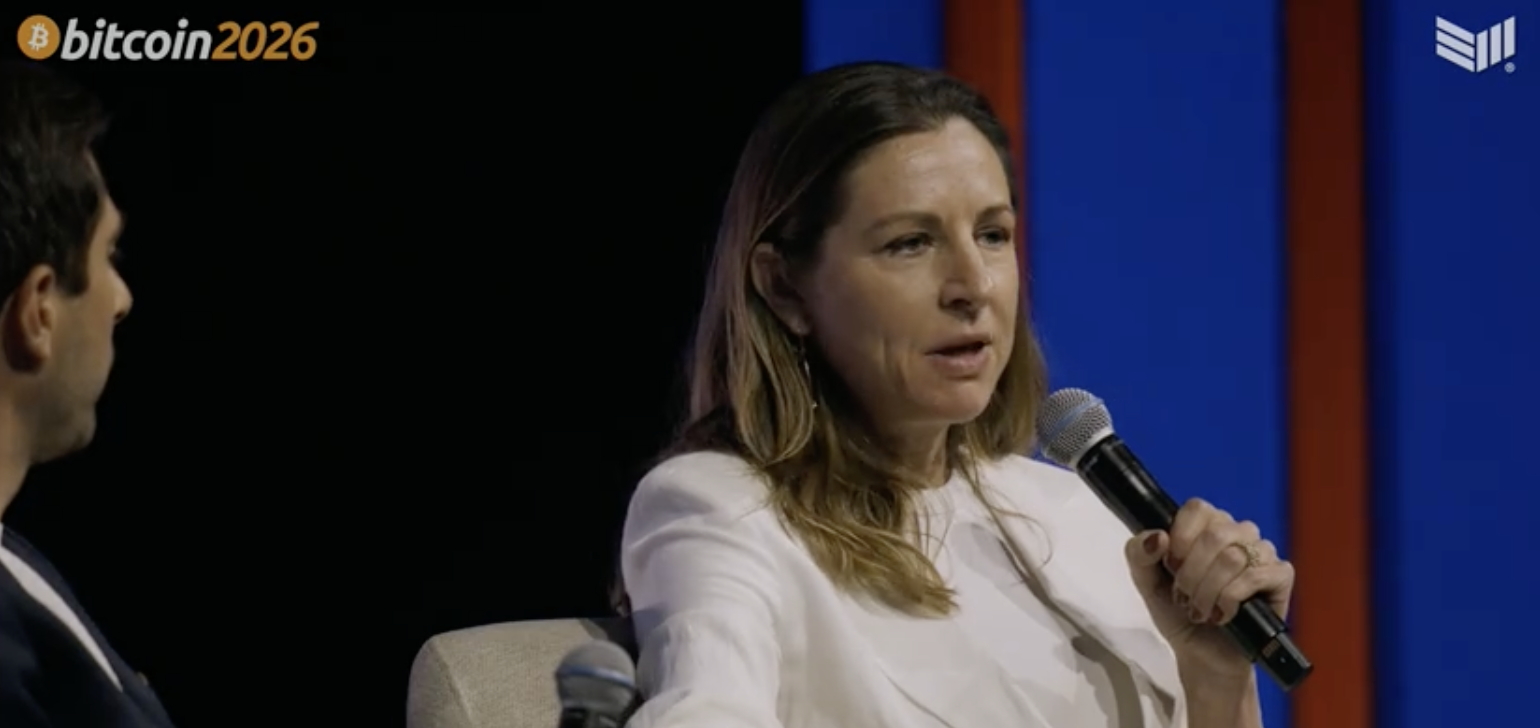
When a Wall Street giant like Morgan Stanley launches a Bitcoin exchange-traded product, the market takes notice. The Morgan Stanley Bitcoin Trust (MSBT) arrived in a landscape that its head of digital assets, Amy Oldenburg, describes as still in its infancy. During a recent panel, she unpacked why the bank believes Bitcoin’s journey is just beginning—and why the biggest challenge isn't price volatility, but a glaring education gap. Here are 10 critical takeaways from her discussion, revealing where institutional adoption stands and what needs to happen next.
1. Bitcoin’s Market Cap Signals Its Early Stage
Oldenburg opened by stressing that Bitcoin’s roughly $1.5 trillion market cap is massive, yet it remains far removed from other crypto assets. She insisted that clients must start with Bitcoin as a foundation, not as part of a broader crypto category. This size and separation indicate that mainstream acceptance is still nascent. Many investors haven’t yet grasped Bitcoin’s unique position—and that, according to the bank, is a sign of how much growth lies ahead. The gap between Bitcoin’s current adoption and its potential is the core reason Morgan Stanley believes we are “still so early on this journey.”
2. The Critical Distinction Between Bitcoin and Crypto
A major theme of Oldenburg’s talk was the need to separate Bitcoin from the broader crypto universe. She noted that most retail and institutional clients still lump them together, a mistake that clouds investment decisions. Morgan Stanley wants this distinction rooted in fundamental research, not just narratives. By treating Bitcoin as a distinct asset class—like gold versus mining stocks—the bank hopes to help clients evaluate its risk-return profile independently. This clarity is essential before meaningful allocations can occur.
3. The Education Problem Runs Deeper Than You Think
Oldenburg identified an urgent education gap: many investors still associate Bitcoin with its early history of illicit use. That mental block prevents them from seeing Bitcoin as a legitimate portfolio asset. She argued that the industry’s most pressing problem isn’t technical or regulatory—it’s simply explaining Bitcoin’s true nature. Morgan Stanley is investing heavily in internal training for advisors so they can confidently address client misconceptions. The goal: replace outdated stereotypes with a sound analytical framework.
4. Yield Products Need Transparent Labeling
When clients ask about yield or structured exposure, Oldenburg’s team insists on clarity: “You can present it as a yield, but the underlying asset is bitcoin.” She warned that many market conversations lack this directness, blurring the lines between Bitcoin and derivative products. The bank believes that honesty about the asset’s volatility and risk is crucial for building long-term trust. Without transparent labeling, investors may misunderstand what they’re buying—and that undermines the entire adoption process.
5. MSBT’s $100 Million First Week Came from Self-Directed Accounts Only
The Morgan Stanley Bitcoin Trust pulled in over $100 million in its debut week, a strong early signal. However, Oldenburg put that figure in context: all flows came from self-directed accounts, because the fund hadn’t yet gone live on the advisory platform. This means advisors, who typically manage larger sums, haven’t even begun to allocate. The $100 million is just a taste of potential demand once full distribution kicks in, reinforcing the early-stage narrative.
6. Advisor Take-Up Remains Slow Despite a 2–4% Recommendation
Morgan Stanley has publicly recommended a 2–4% crypto allocation for suitable clients, but adoption through advisors has been sluggish. Oldenburg reminded the audience that MSBT has been on the market for less than a year. Changing advisor behavior takes time—especially when Bitcoin carries a stigma and a steep learning curve. The bank is now focused on equipping its advisors with the knowledge and tools to make these recommendations feel safe and well-researched.
7. Internal Training Is the Key to Unlocking Advisor Confidence
To bridge the advisor gap, Morgan Stanley is rolling out extensive internal training programs. Oldenburg described spending “hour after hour after hour” on phone calls walking clients through models and allocation frameworks. The aim is to transform Bitcoin from an exotic outlier to a standard part of portfolio construction. Advisors need to feel comfortable explaining Bitcoin’s role—and that comfort only comes from education. The bank is treating this as a long-term cultural shift.
8. Product Design Must Cover a Range of Client Needs
Morgan Stanley designs products for clients with different preferences: some want a direct ETP wrapper, others want spot trading. Oldenburg confirmed that spot crypto trading is coming for the wealth management side. The goal is to offer a spectrum of access points—from passive ETF-like exposure to active trading. This flexibility is meant to meet clients where they are, whether they’re new to digital assets or seasoned holders seeking institutional-grade custody.
9. Choosing a Custodian Wasn’t Straightforward
Oldenburg acknowledged the complexity of selecting custodians for the Bitcoin product. The market has many providers, each with different security models, insurance levels, and regulatory compliance. The bank had to evaluate each option carefully, balancing client protection with operational efficiency. This decision-making process highlights how early the infrastructure still is—even for a top-tier bank. Custodian selection remains a strategic challenge, not a plug-and-play choice.
10. The Journey Is Just Beginning—Patience Is Essential
Wrapping up her panel, Oldenburg emphasized that the path to widespread Bitcoin adoption will require patience. The bank’s internal training, product launches, and educational efforts are all steps on a longer road. She sees the current phase as laying groundwork: changing perceptions, building trust, and refining products. The early numbers are promising, but the real opportunity lies in the years ahead. Morgan Stanley’s message is clear: we are still so early on this journey, and the best is yet to come.
In conclusion, Amy Oldenburg’s remarks reveal a pragmatic yet optimistic view of Bitcoin’s integration into mainstream finance. The biggest hurdle isn’t technology or price—it’s a widespread lack of understanding that even small allocations can be transformative. With Morgan Stanley’s commitment to education, transparent product design, and advisor training, the next chapter of Bitcoin adoption may finally be within reach. For investors who have been waiting for Wall Street’s nod, the trust is here—but the real work is just starting.