7 Ways Labyrinth 1.1 Revolutionizes End-to-End Encrypted Backups
End-to-end encryption (E2EE) keeps your messages private, but what happens when you lose your phone or take a long break from an app? Reliable backups are the key to preserving your chat history without compromising security. Meta's Labyrinth protocol tackles this challenge head-on. With version 1.1, the system now offers even more dependable encrypted backups for Messenger. In this article, we break down the seven most important improvements and features of Labyrinth 1.1, showing how it makes your conversations safer and more accessible than ever.
1. What Is Labyrinth? The Protocol Behind Encrypted Backups
Labyrinth is Meta's custom protocol for securing message history across devices in Messenger. Launched in 2023, it ensures that stored messages are end-to-end encrypted — meaning only you and your conversation partners can read them, not even Meta. The protocol works by creating a secure, encrypted storage space for each user's backup. When you switch phones or reinstall Messenger, Labyrinth re-syncs your history without exposing it to any third party. Version 1.1 builds on this foundation, but the core idea remains the same: your private conversations stay private, even in the cloud. For a deep dive, check the updated white paper.
2. The Old Way: Waiting for Your Device to Come Online
Before Labyrinth 1.1, encrypted backups on Messenger had a major limitation: messages could only be added to your backup when your device was active and connected. If your phone was off, lost, or out of signal, new messages piled up locally and risked being lost forever if the device was damaged or wiped. This model made backup reliability dependent on device uptime. For users with irregular habits — long gaps between sign-ins, frequent device changes — the system often failed to preserve the full conversation history. The need for a more robust solution was clear, and that's exactly what Labyrinth 1.1 delivers.
3. A New Sub-Protocol for Real-Time Backup Delivery
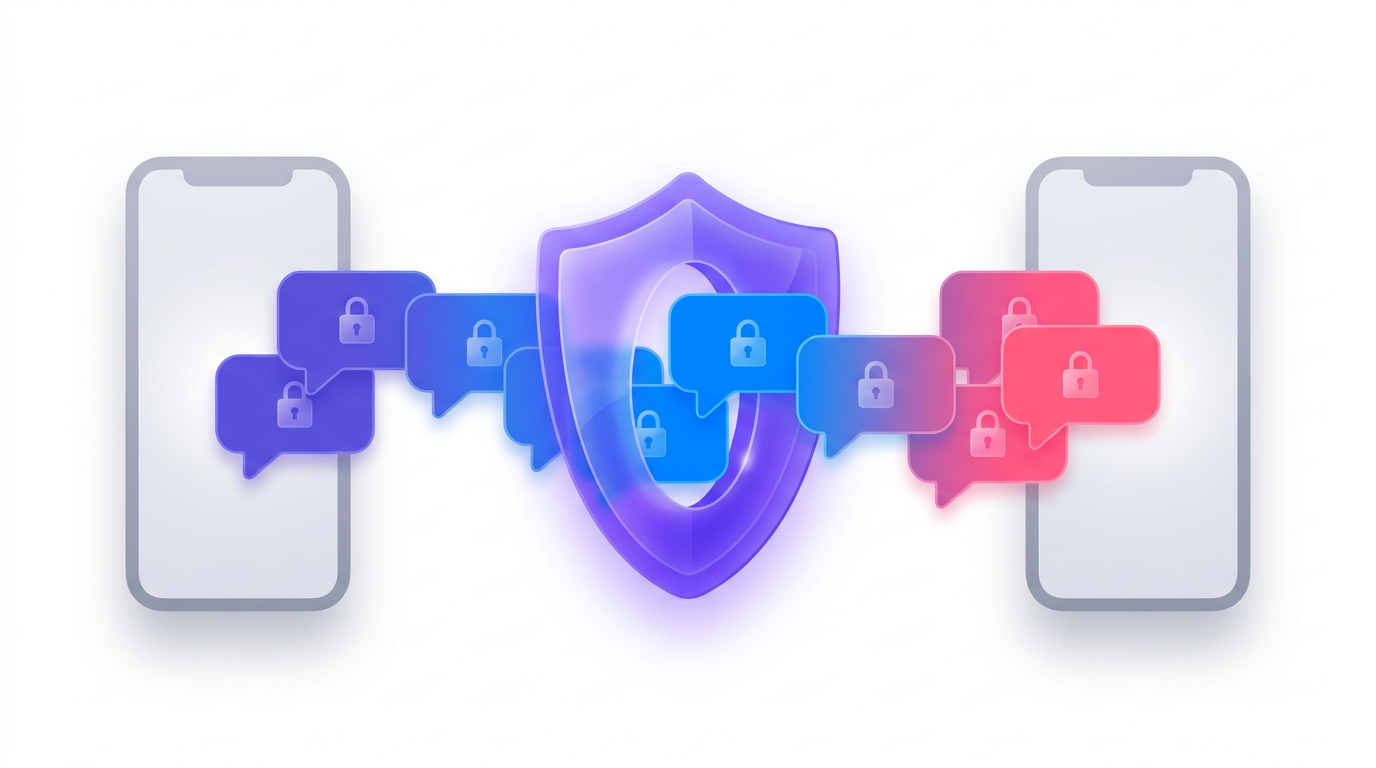
The headline feature of Labyrinth 1.1 is a new sub-protocol that allows messages to be directly placed into your encrypted backup as they are sent, rather than waiting for your device to come online. Imagine each message as a sealed envelope that the sender drops into a locked box that only the recipient can open. This shift eliminates the dependency on the recipient's device being active. Now, even if your phone is dead or missing, the backup receives every message in real time. This fundamental change dramatically improves the reliability of encrypted backups without any trade-off in security.
4. How the Sealed Envelope Analogy Works
Think of your encrypted backup as a personal safe. Every person you talk to has a unique key to add messages to that safe, but only you have the secret combination to open it. Under the new sub-protocol, when a sender dispatches a message, they first wrap it with a message encryption key — like sealing a letter in an envelope. Then they insert that envelope directly into your backup's safe. This process happens automatically, in milliseconds, and does not require your device to be online. The result: your conversation history becomes resilient to device loss, sudden switches, or prolonged absences. No one — not even Meta — can peek inside the envelopes.
5. Surviving Device Loss and Long Gaps Between Sign-Ins
One of the biggest pain points for encrypted messaging users is losing access to history after a phone breaks or gets stolen. Labyrinth 1.1 addresses this by ensuring that every message sent to you is already waiting in your backup before any device is involved. Similarly, if you take a month-long vacation from Messenger, all messages from that period are automatically saved to your encrypted backup as they arrive. When you finally log back in — on an old phone, a new phone, or even someone else's device — your entire chat history restores seamlessly. This peace of mind is a game-changer for users who value both security and convenience.
6. Real-World Gains: Rollout Results So Far
Labyrinth 1.1 is already rolling out broadly on Messenger, and early returns are promising. Meta reports meaningful gains in backup success rates: more messages are being successfully saved to encrypted backups, and a higher percentage of users are restoring their full message history when they switch devices. While exact numbers aren't public, the improvement is significant enough that the team is confident in the protocol's reliability. For users, this means fewer instances of lost conversations and a smoother experience across device changes. The update is seamless — no action required on your part, just better protection working silently in the background.
7. Learn More: The Updated White Paper
For those who love technical details, Meta has published an updated version of its white paper: "The Labyrinth Encrypted Message Storage Protocol." This document explains the cryptographic foundations, the new sub-protocol's formal verification, and comparisons with alternative approaches. It's a must-read for security researchers, developers, and anyone curious about how large-scale end-to-end encrypted backups can be both private and reliable. Access the white paper through the Meta Engineering blog to understand the full depth of the engineering behind Labyrinth 1.1.
Labyrinth 1.1 represents a thoughtful evolution in encrypted backup technology. By decoupling message delivery from device availability, Meta has made it possible to enjoy the privacy of end-to-end encryption without fear of losing your history. Whether you're a frequent device-switcher or someone who values long-term conversation archives, this update brings you closer to a truly seamless secure messaging experience.