NVIDIA and ServiceNow Unleash Project Arc: Autonomous Desktop Agents for Enterprise
Breaking: NVIDIA and ServiceNow Unveil Autonomous AI Agents for Enterprise Desktops
At ServiceNow Knowledge 2026, NVIDIA founder and CEO Jensen Huang joined ServiceNow chairman and CEO Bill McDermott to announce a major expansion of their collaboration. The companies are delivering specialized autonomous AI agents designed to operate safely and seamlessly across enterprise workflows, powered by NVIDIA accelerated computing and ServiceNow's Action Fabric.
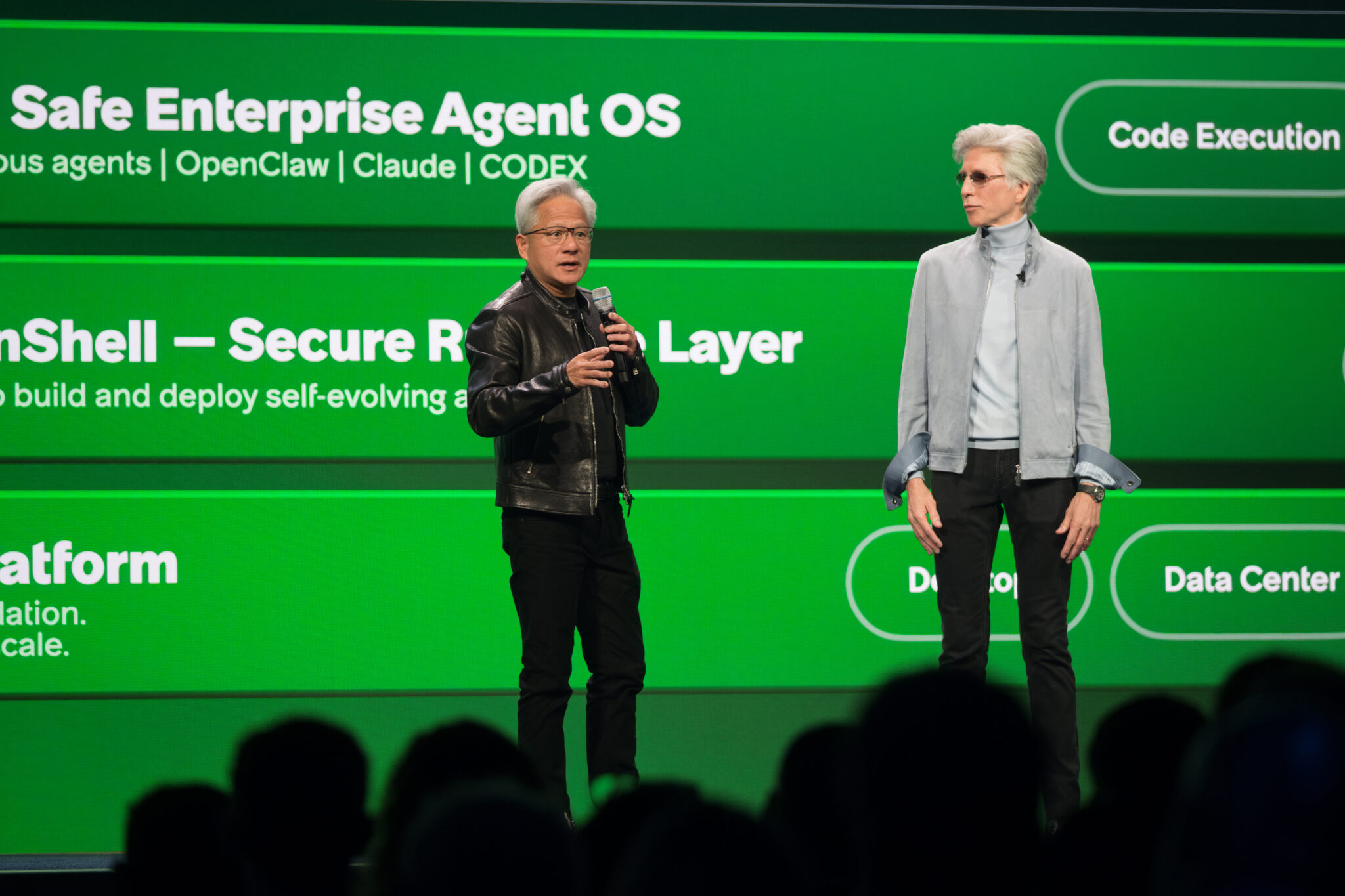
ServiceNow introduced Project Arc, a long-running, self-evolving autonomous desktop agent for knowledge workers. Unlike standalone AI agents, Project Arc connects natively to the ServiceNow AI Platform, bringing governance, auditability, and workflow intelligence to every action it takes. It can access local file systems, terminals, and installed applications to complete complex, multistep tasks that traditional automation cannot handle.
Key Features and Governance
Project Arc uses NVIDIA OpenShell, an open-source secure runtime for developing and deploying autonomous agents in sandboxed, policy-governed environments. Enterprises can define what an agent can see, which tools it can use, and how each action is contained. ServiceNow is building on and contributing to OpenShell to advance a common foundation for secure, enterprise-grade agent execution.
“Project Arc represents the next step in our ongoing collaboration with NVIDIA, bringing autonomous execution to the desktop,” said Jon Sigler, executive vice president and general manager of AI Platform at ServiceNow. “By combining OpenShell’s runtime layer with ServiceNow AI Control Tower, and powered by ServiceNow Action Fabric, we’re delivering the governance and security that enterprise AI requires.”
Background: From Generation to Action
Enterprise AI has evolved from generating content to reasoning, and now to acting. Early agent systems demonstrated possibilities beyond simple prompts, but bringing them into enterprise environments requires context, control, and consistency across real workflows. The new partnership addresses these needs with open models, domain-specific skills, and secure execution software.
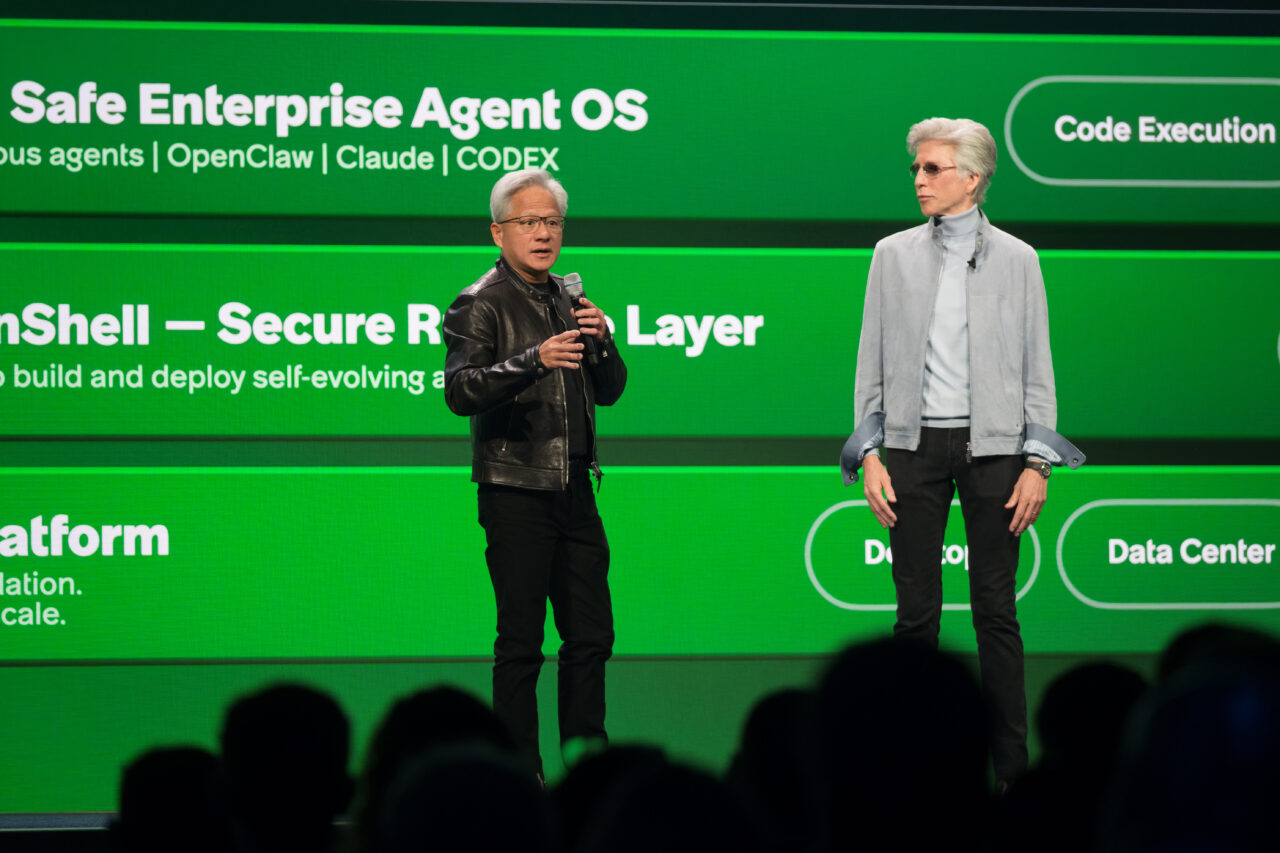
The collaboration spans the full stack, including NVIDIA accelerated computing, ServiceNow Action Fabric for enterprise workflow context, and AI Control Tower for governance. The work is designed around three requirements: open models and domain-specific skills that can be customized, security that helps agents act without exposing sensitive data, and AI factories that deliver efficient tokenomics.
What This Means for Enterprises
Project Arc marks a shift from controlled AI assistants to autonomous agents that operate without constant human supervision. For knowledge workers—including developers, IT teams, and administrators—this means handling complex, multistep tasks that traditional automation cannot manage, from file manipulation to application orchestration, all while maintaining enterprise-grade governance.
Enterprises can now deploy AI at scale with the controls they need. The use of OpenShell ensures that every action is contained and auditable, reducing the risk of data exposure or system compromise. This combination of autonomy and security could accelerate adoption of AI agents in regulated industries like finance, healthcare, and government.
NVIDIA’s Jensen Huang emphasized the importance of efficient tokenomics, while ServiceNow’s Bill McDermott highlighted the need for enterprise-wide consistency. The partnership positions both companies to lead the next phase of enterprise AI, where agents act on behalf of businesses with the same level of trust and control as human employees.